

The GSMA Board has outlined priorities for the next era of connectivity following a meeting in New Delhi, India, focusing on 5G investment, digital inclusion, cybersecurity and the development of future 6G technologies.
The meeting brought together mobile industry leaders and provided an opportunity to engage with government and industry representatives, including Indian Prime Minister Narendra Modi. India’s progress in mobile connectivity was highlighted, with 1.2 billion active connections, including 450 million 5G connections, supporting the country’s expanding digital economy.
Globally, mobile technologies and services generated $6 trillion in economic value in 2025, equivalent to 6.4% of global GDP. This contribution is projected to reach $11.3 trillion by 2030. As 5G adoption accelerates, 57% of all mobile connections are expected to use the technology by the end of the decade. Mobile operators are projected to invest $1.2 trillion in capital expenditure between 2025 and 2030 to expand and upgrade their networks.
GSMA Board discussions examined how sustainable market structures can encourage investment in new technologies and how advanced capabilities, including network slicing, can create value across industries. Participants also highlighted the importance of turning 5G expansion into practical economic and social benefits.
Digital inclusion was another key priority. Although 97% of the global population lives within mobile broadband coverage, 3.4 billion people remain offline. The cost of entry-level internet-enabled smartphones continues to present a barrier, particularly in low- and middle-income countries. In Sub-Saharan Africa, such a device costs the poorest 20% of people the equivalent of 76% of their average monthly income.
Potential measures discussed included financing options, targeted tax reductions and closer collaboration across the device supply chain to improve affordability and access.
The Board also addressed the growing threat of scams, particularly as artificial intelligence and deepfakes create new challenges for public trust and digital security. The GSMA is promoting industry-wide cooperation through its United Against Scams programme, bringing together mobile operators, technology companies, regulators and financial institutions to strengthen scam prevention.
Looking ahead, the meeting explored the role of global standards and spectrum harmonisation in developing 6G. Countries representing more than 80% of the world’s population now support mobile use of the upper 6 GHz band, which could provide the wide channel bandwidths needed for future mobile networks.
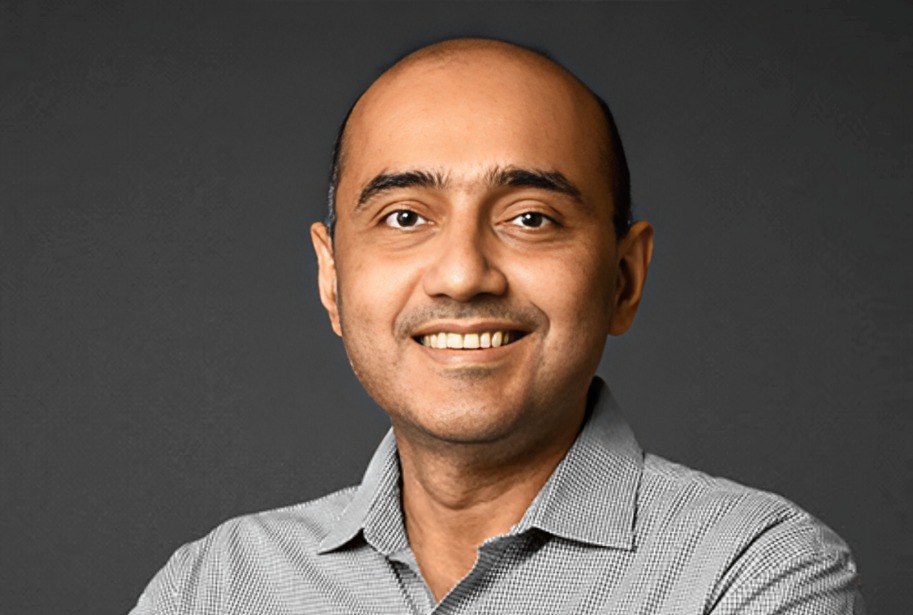
GSMA Chair Gopal Vittal emphasised the importance of global standards and collaboration in accelerating innovation and strengthening trust and resilience. Director General Vivek Badrinath highlighted how supportive policies and sustained investment can help translate 5G expansion into wider economic opportunities.
The discussions reflect the mobile industry’s focus on expanding connectivity, making digital services more accessible, strengthening security and building a foundation for the next generation of mobile technology.