

Africa Export-Import Bank (Afreximbank) is signalling a major shift in Africa’s industrial strategy by positioning itself as more than a financier of mining projects. Through a $125 million investment in electric mobility company Spiro, the bank is supporting the development of a complete electric vehicle battery value chain that keeps more value within Africa. Rather than exporting raw lithium and other critical minerals, the strategy aims to encourage local processing, battery production and advanced manufacturing that can strengthen industrial growth and create long-term economic value across the continent.
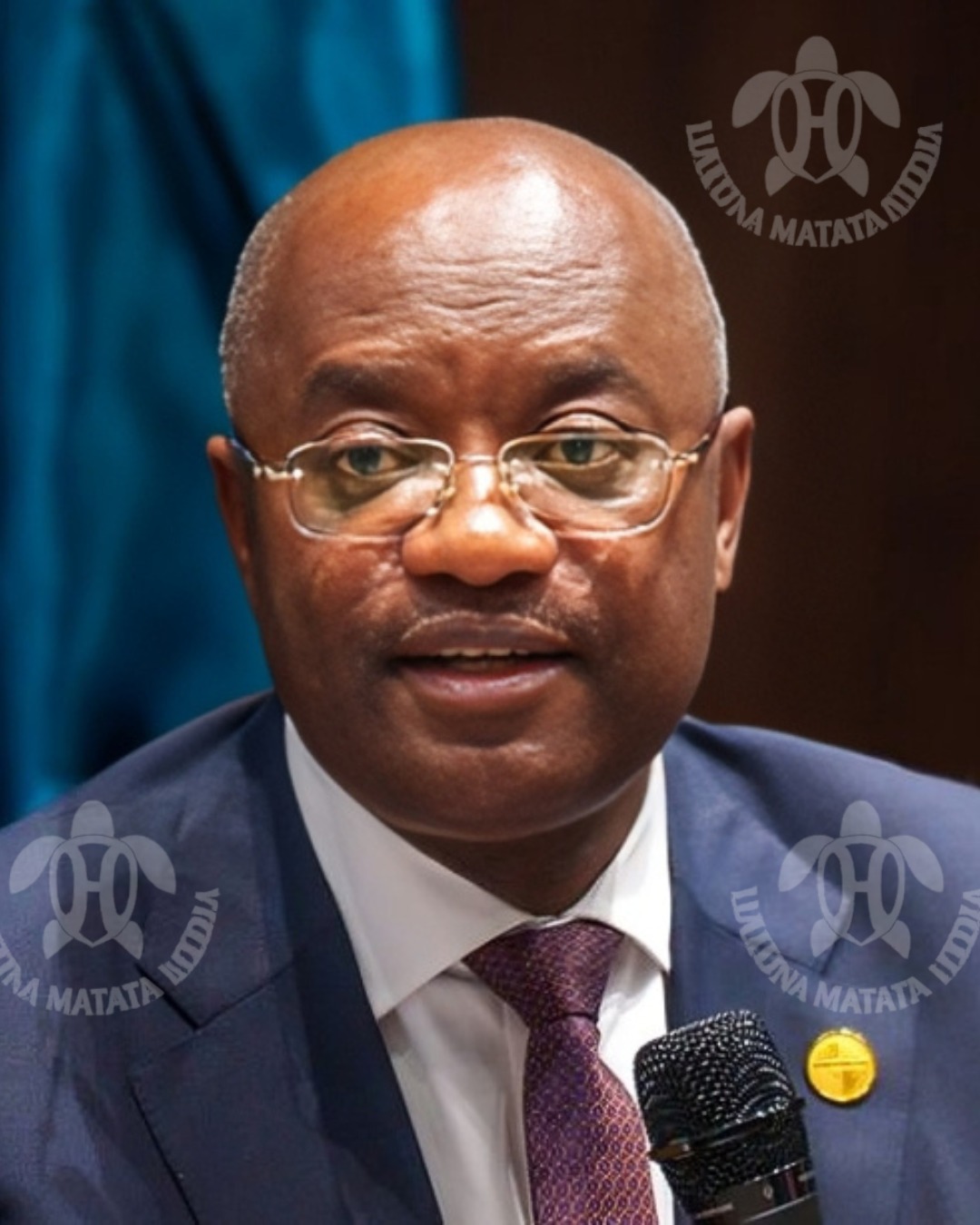
Speaking at Afreximbank’s headquarters in Abuja, President and Chairman George Elombi said the institution is deliberately directing capital towards industries that will shape the future, including electric vehicle batteries and digital infrastructure. He stressed that the bank is no longer interested in supporting projects focused solely on extracting and exporting raw minerals. Instead, Afreximbank wants investments that process resources locally, create manufacturing capacity, generate skilled employment and establish sustainable industrial ecosystems capable of competing globally.
The investment in Spiro reflects that vision. Afreximbank and its subsidiaries have committed a combined $125 million through a $75 million equity investment by the Fund for Export Development in Africa (FEDA) and a separate $50 million debt facility. The funding will support the expansion of Spiro’s fleet of electric motorcycles and thousands of battery-swapping stations across Benin, Togo, Rwanda, Uganda, Kenya and Nigeria. Beyond expanding clean mobility, the investment is intended to stimulate demand for locally manufactured batteries and strengthen Africa’s growing electric mobility ecosystem.
Africa’s lithium industry is expanding rapidly, with the continent projected to increase its share of global lithium production from about 4% in 2023 to nearly 15% by 2028. Countries including Zimbabwe, the Democratic Republic of Congo, Mali, Nigeria, Namibia and Ghana are emerging as major producers, while governments increasingly require local processing before export. Nigeria has attracted more than $1.3 billion in lithium processing commitments, Morocco is developing one of Africa’s largest lithium-ion battery plants, and Zambia and the DRC are collaborating on a battery special economic zone. These developments reflect a broader continental effort to capture greater value from critical minerals.
Despite this progress, challenges remain, including limited battery-grade refining capacity and shortages of specialised technical expertise. Elombi noted that while Africa possesses abundant natural resources and investment capital, building advanced manufacturing capabilities will require continued knowledge transfer and industrial development. Afreximbank’s strategy demonstrates growing confidence that Africa can become a global player in battery manufacturing by investing in processing, technology and innovation rather than remaining primarily a supplier of raw materials. As global demand for electric vehicles accelerates, the continent has an opportunity to strengthen its industrial competitiveness and secure a larger share of the rapidly expanding clean energy value chain.