

2 minutes ago • Visible to anyone on or off LinkedIn
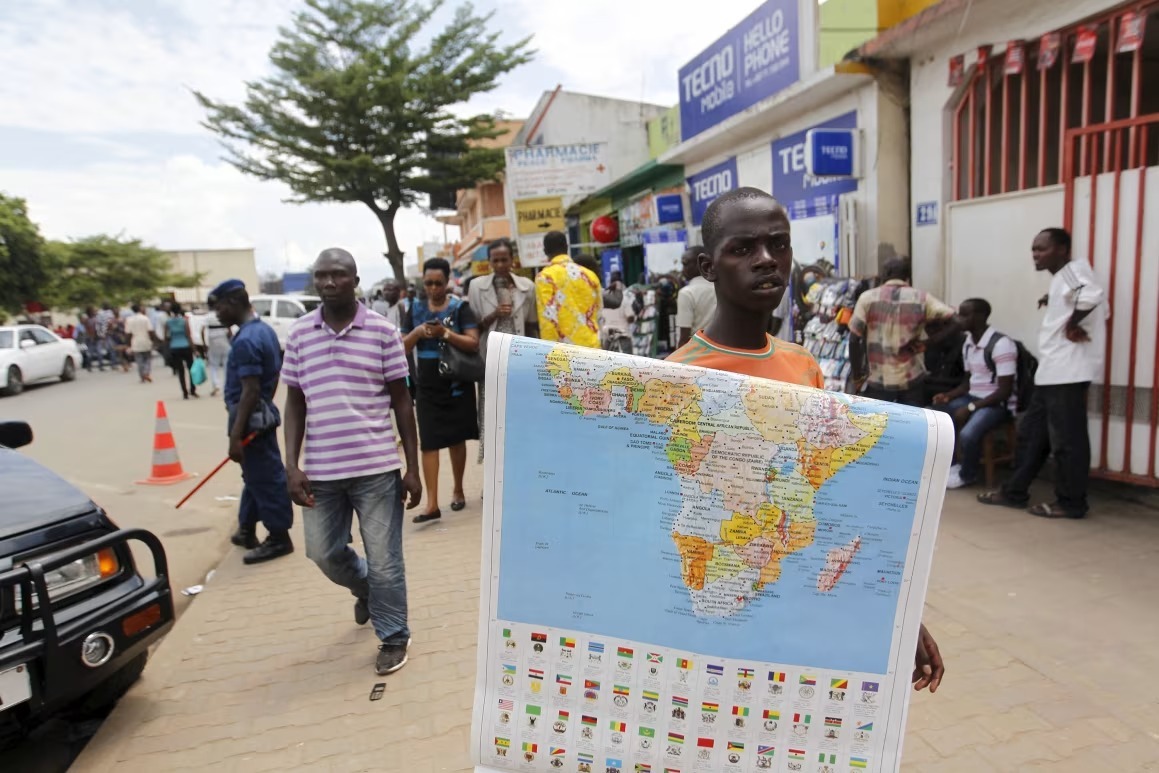
The African Union has officially endorsed the “Correct The Map” campaign, urging governments, institutions, and international organizations to abandon the outdated 16th-century Mercator map in favor of one that reflects the true size of Africa. The Mercator projection, created by cartographer Gerardus Mercator for navigation purposes, significantly distorts land masses, enlarging countries near the poles while minimizing Africa and South America. This distortion has historically reinforced false perceptions of Africa’s marginality, despite it being the world’s second-largest continent with over one billion people.
AU Commission deputy chairperson Selma Malika Haddadi emphasized that the issue goes far beyond cartography. The Mercator map contributes to stereotypes in media, education, and global policymaking, projecting an image of Africa that diminishes its scale and importance. She noted that adopting accurate maps is part of a broader mission to “reclaim Africa’s rightful place on the global stage,” linking this to ongoing calls for reparations and the decolonization of knowledge.
The “Correct The Map” campaign, spearheaded by Africa No Filter and Speak Up Africa, is advocating for the Equal Earth projection, developed in 2018 to better represent the true sizes of countries and continents. Leaders like Moky Makura and Fara Ndiaye stressed that the Mercator projection negatively shapes identity, pride, and self-perception, especially among African children exposed to it in classrooms. They are pushing for the Equal Earth map to become the standard across African schools and international institutions, highlighting how correcting this narrative is integral to Africa’s self-image and global influence.
While organizations like the World Bank are gradually phasing out Mercator, the AU is calling for wider adoption across the United Nations, international agencies, and technology platforms. This campaign reflects a shift in Africa’s approach to global representation, rejecting narratives of marginalization and insisting on accuracy, fairness, and visibility. As the AU continues its advocacy, this movement not only challenges centuries-old distortions but also reinforces Africa’s growing determination to define its own story and reclaim its global identity.