

Nigeria’s National Information Technology Development Agency (NITDA) has reaffirmed its commitment to accelerating the country’s digital transformation through stronger public-private partnerships, collaboration with academic institutions and sustainable innovation.
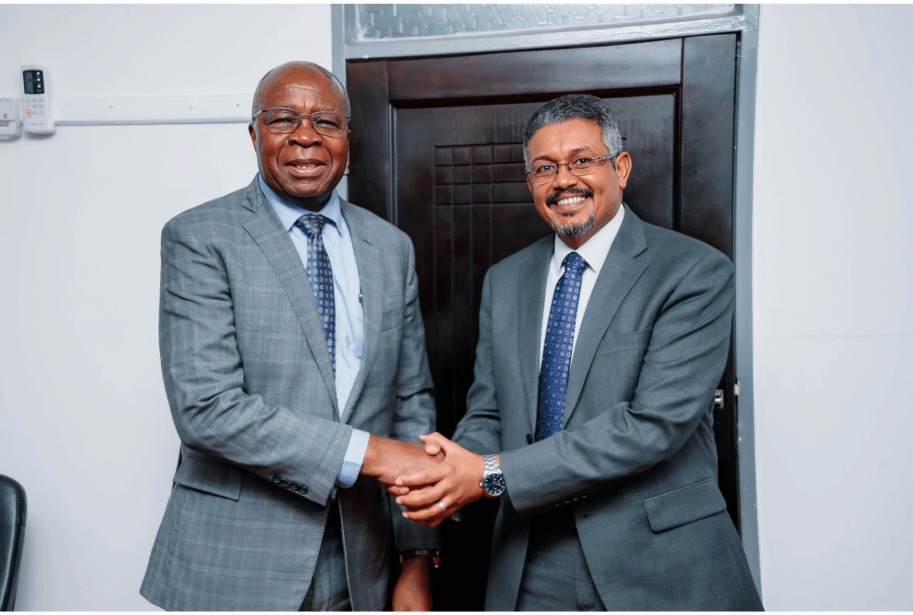
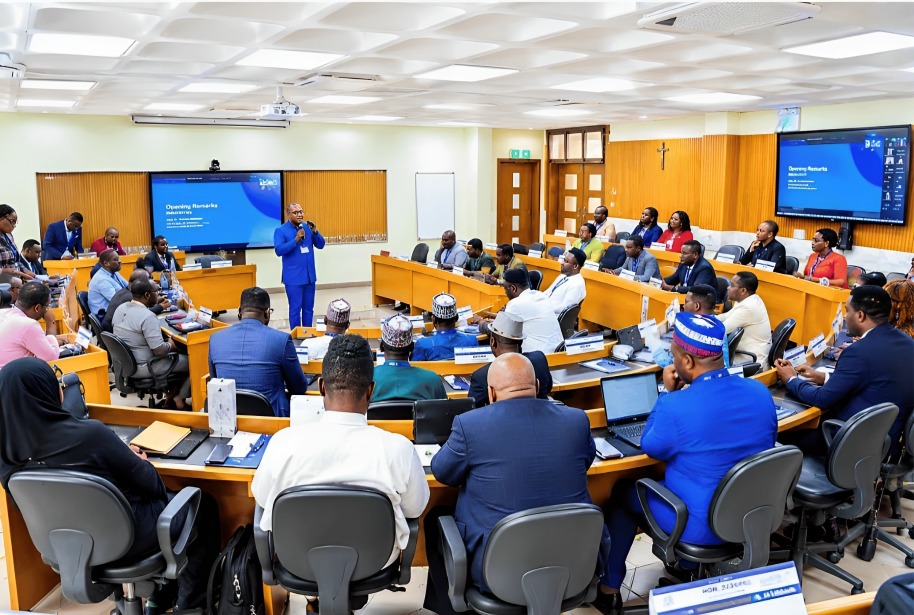
The commitment was reiterated during a high-level stakeholder engagement hosted at Lagos Business School, where Dr Aristotle Onumo, Director of NITDA’s Special Duties Directorate, represented Director-General Kashifu Inuwa.
Onumo emphasised that comprehensive digital transformation requires sustained collaboration among industry leaders, academic institutions and policymakers. He also commended Lagos Business School and participating organisations for contributing to the development and implementation of NITDA’s strategic roadmap.
Developed through extensive national consultations, the roadmap provides a framework for advancing Nigeria’s digital economy while responding to changes in the global technology landscape. NITDA highlighted the importance of continuous stakeholder engagement in evaluating progress, refining priorities and ensuring government interventions reflect market needs.
The agency is positioning itself as a platform for digital innovation, bringing together stakeholders to improve digital service delivery, shape regulatory frameworks and support the growth of technology startups.
The engagement reviewed progress across NITDA’s eight strategic pillars, with discussions covering digital literacy, balanced regulation, digital infrastructure, local entrepreneurship and implementation of the Nigeria Startup Act.
Participants also joined working sessions organised around five thematic areas: Infrastructure, Innovation, Talent, Governance and Cybersecurity. The sessions enabled industry experts and other stakeholders to identify challenges, exchange insights and propose practical measures to advance the country’s digital transformation agenda.
Through stronger cooperation between government, industry and academia, NITDA aims to support an inclusive digital economy, strengthen the technology ecosystem and encourage sustainable innovation across Nigeria.