

Malawi is moving to expand mobile connectivity in underserved communities as Helios Towers Malawi continues investing in telecommunications infrastructure and supporting the country’s transition toward more advanced mobile networks.
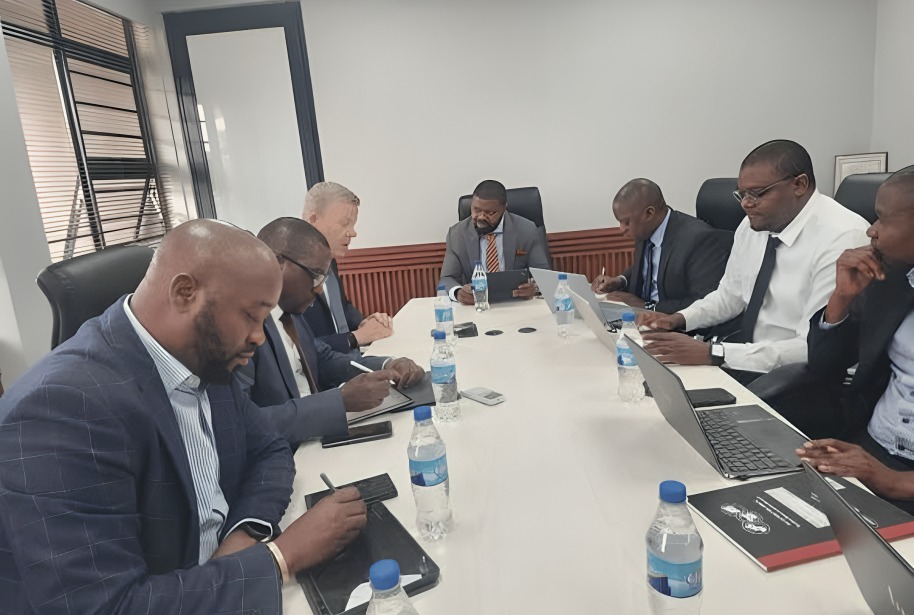
Helios Towers Group General Counsel and Company Secretary Paul Barrett reaffirmed the company’s commitment to Malawi during a meeting with Malawi Communications Regulatory Authority (MACRA) Director General Dr. Mayamiko Nkoloma at MACRA headquarters in Blantyre.
Discussions focused on expanding communications infrastructure, improving network coverage and finding solutions for communities where access to telecommunications services remains limited, particularly in rural areas.
Helios Towers Malawi provides tower infrastructure and power services to mobile network operators, allowing operators to share infrastructure and extend coverage more efficiently. The company said it remains focused on supporting Malawi’s transition from 2G to 3G and 4G, with the eventual adoption of 5G.
The tower operator has rolled out 233 sites in 2026, with 40% located in remote rural areas and 60% serving urban communities. An additional 55 towers are expected to be deployed by early October, including 28 in rural locations.
Helios Towers is also engaging the Electricity Supply Corporation of Malawi (Escom) to explore opportunities to further expand its tower network and strengthen infrastructure availability.
Nkoloma welcomed Helios Towers’ contribution to Malawi’s telecommunications sector and encouraged the company to consider lower-cost infrastructure solutions that can help accelerate connectivity in underserved communities.
He also called for stronger cooperation between MACRA and Helios Towers on digital inclusion and community outreach initiatives. Such efforts could help communities not only gain access to connectivity but also improve their ability to use digital services effectively.
The continued expansion of telecommunications infrastructure is expected to play an important role in narrowing Malawi’s digital divide, particularly as demand for reliable mobile internet and digital services grows.