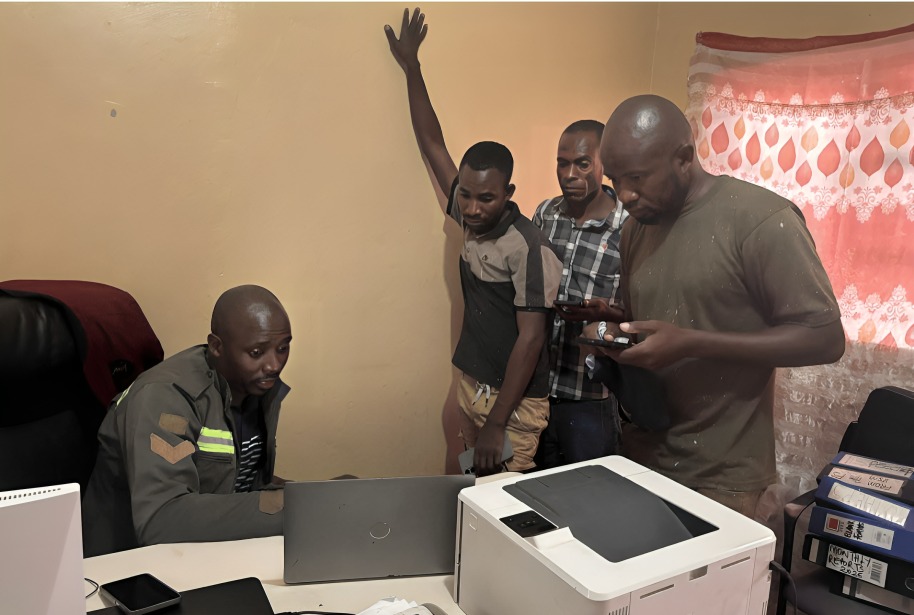


Zambia is intensifying its digital transformation efforts in rural areas through a series of ICT interventions designed to improve public service delivery, government connectivity, efficiency and accountability.
The SMART Zambia Northern Provincial ICT Unit is implementing digital upgrades across Mpulungu, Mbala and Lupososhi districts, with the programme focusing on government human resource systems, ICT infrastructure, equipment management and reliable connectivity.
One of the key interventions is the onboarding of government employees onto the E-Payslip Self-Service Portal. The platform provides civil servants with round-the-clock access to their payslip information, reducing administrative delays associated with the manual distribution of payslips and improving access to employment records.
The ICT team is also inspecting government office equipment and sensitising public officials on Government Office Equipment Standards. The standards establish requirements covering the acquisition, registration, maintenance, use and disposal of government equipment, supporting better management and accountability of public assets.
Connectivity remains another major focus of the programme. In Lupososhi, the district administration is being configured for access to the Government Wide Area Network (GWAN) as authorities seek to address unreliable GSM coverage that has affected communication and timely reporting between government offices.
The district has also been equipped with a Wireless Access Point to provide more stable internet connectivity. The improved connection is expected to enable government officials to use internet-based calling and digital communication platforms, reducing dependence on unreliable mobile networks.
The interventions are part of Zambia’s broader efforts to strengthen digital government infrastructure and extend the benefits of digital transformation beyond major urban centres.
By improving access to government systems, strengthening connectivity and introducing more efficient digital processes, the programme is expected to support faster communication, better administrative coordination and improved accountability across local government institutions.
The expansion of digital infrastructure into rural districts also forms part of efforts to bridge Zambia’s digital divide. Reliable connectivity and access to digital public services can enable government institutions in underserved areas to participate more effectively in national digital systems.
The combination of human resource digitisation, improved ICT infrastructure, equipment management and stronger connectivity demonstrates how digital transformation can support public-sector efficiency at the local level.
As Zambia continues to expand its e-government ecosystem, initiatives such as these could play an important role in ensuring that digital public services are accessible across districts and that rural government institutions have the infrastructure and capabilities required to operate effectively.