

TikTok has unveiled a series of new initiatives aimed at strengthening AI literacy, improving transparency around AI-generated content and enhancing protections against AI-generated spam as artificial intelligence becomes more integrated into digital platforms.
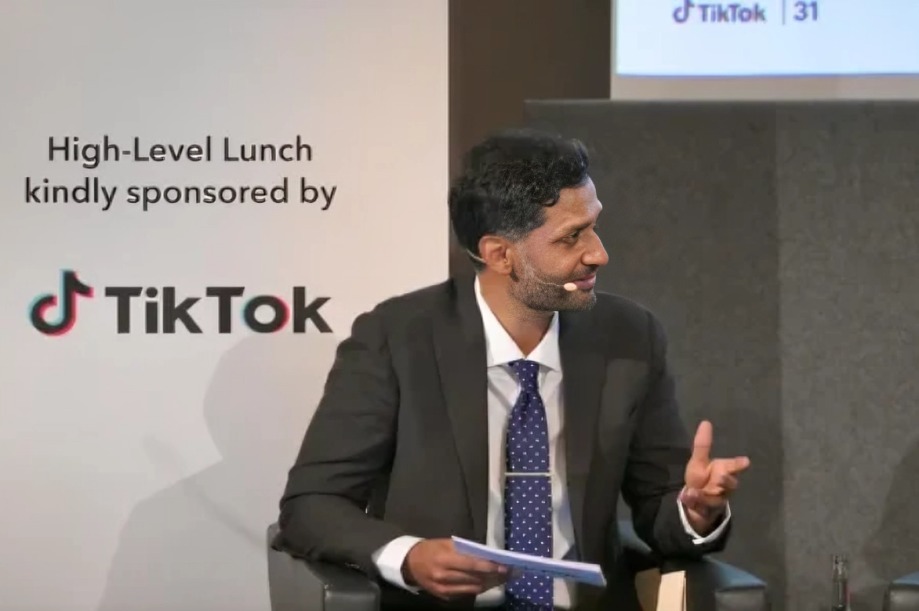
Announced during the AI for Good Global Summit in Geneva, the new measures reflect TikTok’s ongoing commitment to helping users engage with AI safely, responsibly and with greater confidence.
One of the key announcements is the launch of an in-app AI Literacy Hub for users in Kenya, Nigeria and South Africa. The hub will provide educational resources to help users understand how AI works, recognise AI-generated content and make informed decisions when interacting with AI-powered experiences on the platform.
TikTok is also expanding its efforts to tackle AI-generated spam by testing enhanced detection systems capable of identifying accounts that mass-produce AI-generated content. As part of its broader integrity efforts, the platform removed more than 86 million fake accounts globally during the first quarter of 2026.
To improve transparency, TikTok revealed that more than three billion videos have now been labelled as AI-generated using Content Credentials, creator disclosure tools and invisible watermarking technology. The company has also joined the Coalition for Content Provenance and Authenticity (C2PA) Steering Committee to support the development of industry standards for authenticating AI-generated content.
The company has invested more than US$4 million in its AI Literacy Fund since its launch in November 2025. Across Africa, TikTok has partnered with organisations including Africa Check, Paradigm Initiative, Moxi Africa, Eveminet and Mtoto News to create locally relevant AI literacy content that has collectively generated more than 200 million views.
TikTok says the latest initiatives are designed to empower users with greater context, confidence and control as AI continues to transform how people create, discover and engage with digital content.