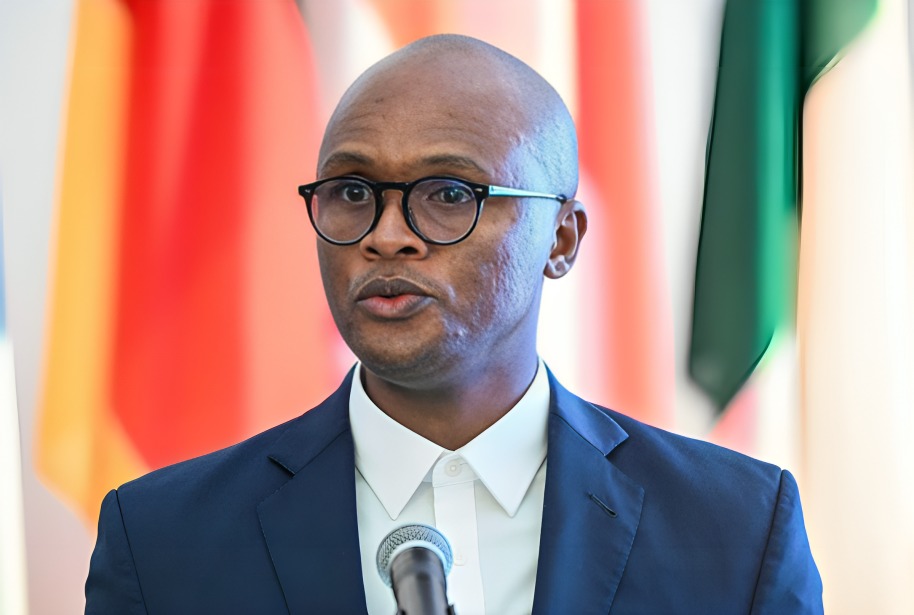


South Africa’s Minister of Communications and Digital Technologies, Solly Malatsi, has defended his engagement with ICT stakeholders, stating that government policy on equity equivalent investment programmes and Low Earth Orbit (LEO) satellite operators was developed independently and aligns with both the Democratic Alliance’s 2024 election manifesto and the Government of National Unity’s Medium Term Development Policy.
In a letter to Parliament’s Portfolio Committee on Communications and Digital Technologies, Malatsi said work on the policy reforms began in July and August 2024, before allegations of external influence emerged. He maintained that the policy direction formed part of his electoral mandate and rejected claims that stakeholder engagements influenced government decisions.
The minister confirmed meeting representatives from several satellite companies, including MzansiSat, Amazon Leo, China Satellite Network Company, Spacesail, Space24 and Starlink, to better understand developments in satellite communications. He said the discussions focused on industry capabilities and South Africa’s regulatory framework, and did not involve individual licence applications.
Addressing concerns surrounding Resolve Communications and Starlink, Malatsi denied allegations of improper influence. He confirmed meeting Starlink representative Ryan Goodnight in September 2024 as part of broader consultations with LEO satellite providers and said the engagement was transparent, adding that he had previously disclosed the meeting publicly.
Malatsi concluded by reaffirming that stakeholder engagement is a normal part of policymaking and that his decisions are guided by the Constitution, legislation and his mandate from voters. He expressed confidence that his response would assist Parliament in clarifying the facts surrounding the matter.