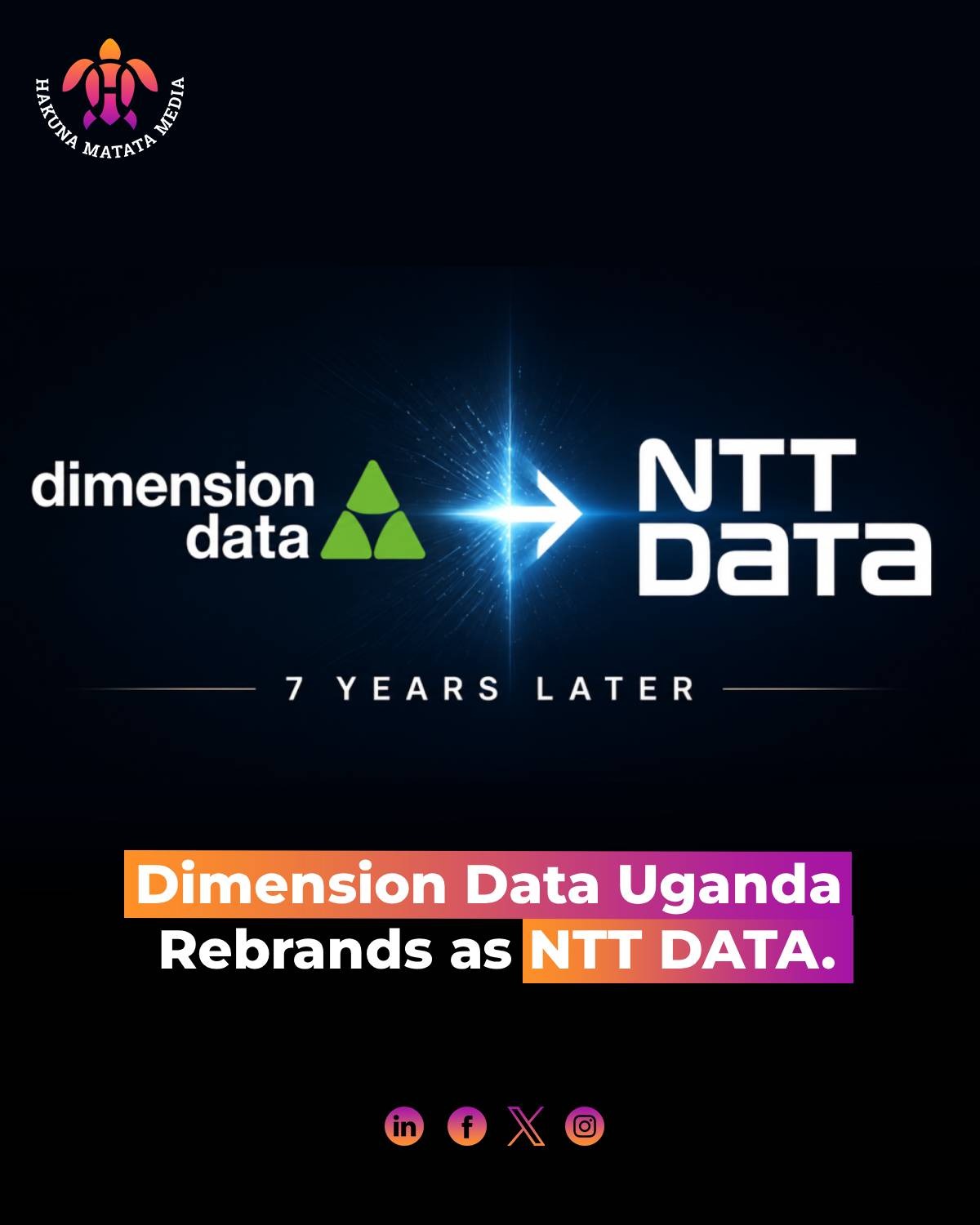


Dimension Data Uganda has officially transitioned to the NTT DATA brand, marking a significant milestone in the company’s evolution and aligning its local operations with NTT DATA’s broader global technology strategy. The transition comes seven years after the global rebranding journey began and follows a worldwide integration initiative launched in 2019. By adopting the unified NTT DATA identity, the Uganda business gains access to an expanded portfolio of advanced technology capabilities, including artificial intelligence, cloud computing, cybersecurity, networking, and managed services. The move reflects the company’s commitment to delivering globally recognized expertise while maintaining a strong local presence that supports customers navigating increasingly complex digital transformation journeys.
The rebranding takes place at a time when Uganda’s digital economy is experiencing accelerated growth, driven by wider internet access, the rapid expansion of digital financial services, and rising demand for secure, resilient, and scalable digital infrastructure. Organizations across key sectors such as banking, telecommunications, healthcare, manufacturing, education, and the public sector are increasingly investing in technologies that improve operational efficiency, strengthen cybersecurity, enhance customer experiences, and support innovation. As businesses continue to embrace digital transformation, access to global technology capabilities and enterprise-grade solutions becomes increasingly important in helping organizations remain competitive in an evolving digital economy.
According to Euniah Nyandieka, Country Manager for NTT DATA Uganda, the transition combines the company’s deep understanding of the Ugandan market with the strength of NTT DATA’s extensive global technology ecosystem. This combination enables customers to leverage world-class expertise, innovative digital solutions, and industry-leading technologies while benefiting from localized support tailored to their business needs. The unified brand positions NTT DATA Uganda to help organizations accelerate digital transformation initiatives by delivering integrated solutions across AI, cloud, cybersecurity, networking, and managed services. It also reinforces the company’s long-term commitment to supporting customers as they modernize operations, strengthen digital resilience, and unlock new opportunities for growth.
The Uganda transition represents another important milestone in NTT DATA’s ongoing global integration strategy, which aims to create a consistent technology services identity across all markets. Rather than operating under multiple regional brands, the unified NTT DATA identity strengthens collaboration across international markets, enhances service delivery, and enables customers to benefit from the scale, innovation, and expertise of one of the world’s leading technology services providers. By aligning Uganda with the global brand, NTT DATA is reinforcing its vision of delivering connected, end-to-end technology solutions that help enterprises navigate rapidly changing business environments while embracing emerging technologies that shape the future of digital business.
As digital transformation continues to reshape economies across Africa, strategic investments in cloud technologies, artificial intelligence, cybersecurity, and modern digital infrastructure will remain central to sustainable growth and innovation. The transition from Dimension Data Uganda to NTT DATA reflects more than a brand change—it represents a strategic evolution that strengthens the company’s ability to deliver global innovation with local expertise. For customers across Uganda and the wider region, the move creates new opportunities to access advanced digital capabilities that support business modernization, operational excellence, and long-term competitiveness. As demand for trusted technology partners continues to grow, NTT DATA Uganda is well positioned to help organizations accelerate their digital transformation ambitions while contributing to the continued growth of Uganda’s digital economy and Africa’s broader technology ecosystem.