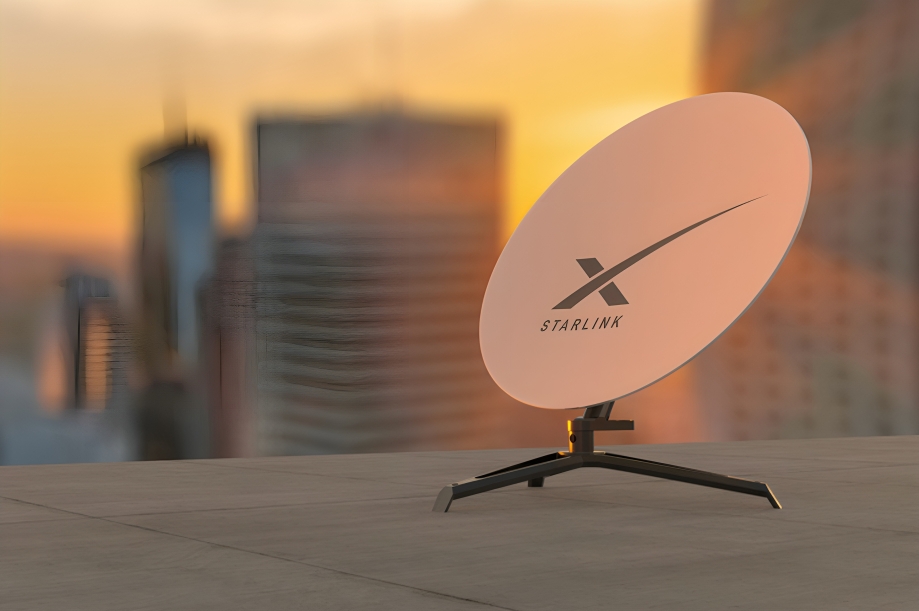


Côte d’Ivoire is preparing for a transformative phase in its digital journey with the planned launch of Starlink services and the rollout of 5G technology beginning in July 2026. Announced by Minister of Digital Transition and Technological Innovation Djibril Ouattara during the government’s Gouv’Talk online dialogue series, these developments signal a strong commitment to accelerating connectivity and expanding access to digital services across the country.
A key milestone in this strategy is the arrival of Starlink, which has received a 12-month provisional licence to provide high-speed satellite internet nationwide. The service is expected to play a critical role in closing connectivity gaps in underserved and remote regions, particularly in rural communities, schools, and healthcare facilities that have historically faced limited internet access. This initiative supports broader efforts to ensure that digital opportunities reach every corner of the country.
Alongside satellite connectivity, Côte d’Ivoire will commence its nationwide 5G deployment, with coverage gradually extending to cities with populations exceeding 25,000 residents. Telecommunications operators have already completed network preparations, laying the groundwork for next-generation mobile services that will enhance digital experiences, support innovation, and create new opportunities for businesses, institutions, and consumers alike.
While the country has already achieved an impressive internet coverage rate of 95% through fibre, fixed broadband, and mobile networks ranging from 2G to 4G, smartphone adoption remains a significant challenge. With penetration currently estimated at around 40%, the government has set an ambitious target of increasing adoption to 80% by improving access to affordable devices, particularly in rural areas. Additional plans include extending GSM coverage to all localities with more than 800 inhabitants over the next four years.
These initiatives form part of Côte d’Ivoire’s comprehensive digital transformation strategy, which encompasses 40 flagship projects across seven strategic pillars, including connectivity, artificial intelligence, cybersecurity, and e-government services. Together, the rollout of Starlink and 5G represents a major step toward building a more connected, inclusive, and digitally empowered economy capable of supporting long-term innovation and sustainable growth.