

Microsoft has announced a new framework for the Middle East, outlining plans to invest more than $10 billion in capital and operating expenses across the region through 2030 as governments accelerate artificial intelligence adoption.
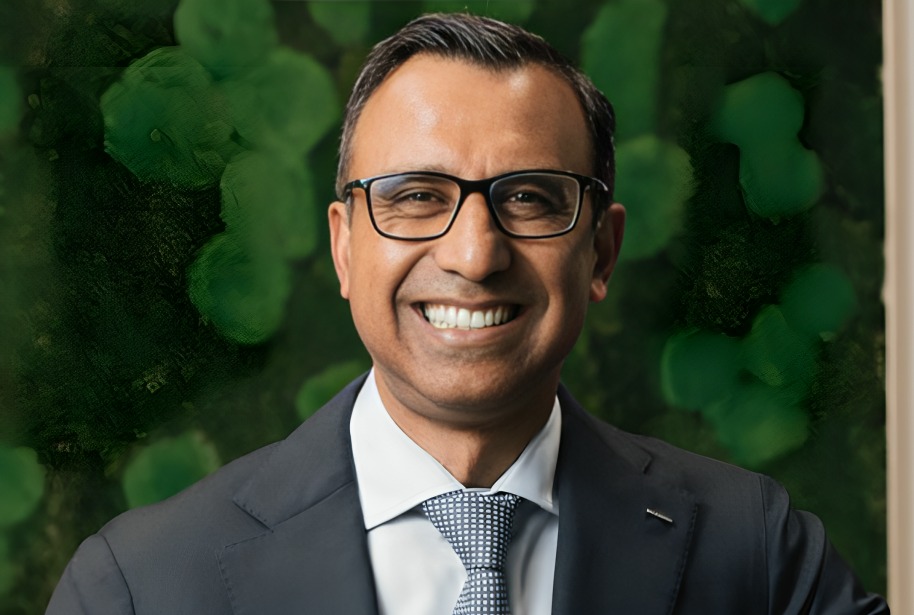
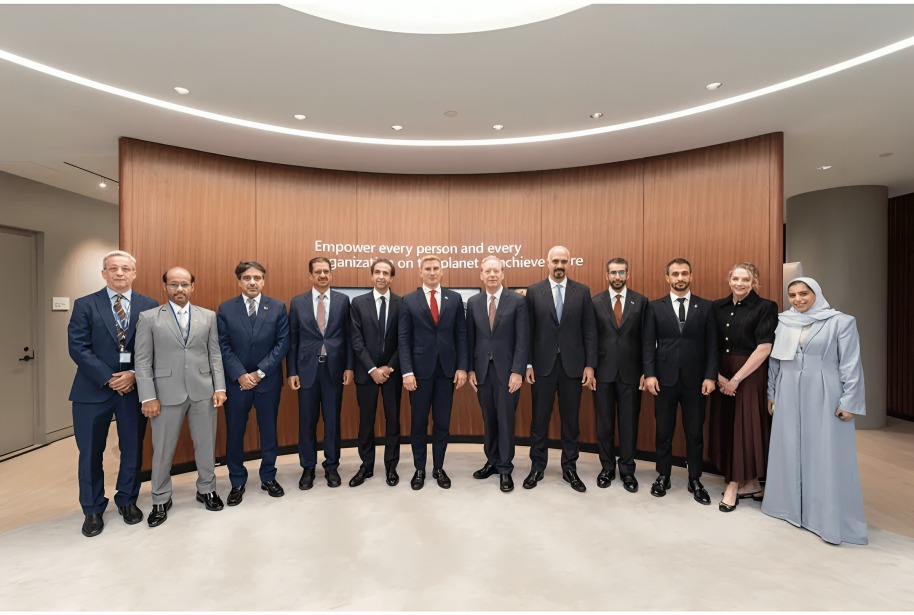
The framework was unveiled by Microsoft Vice Chair and President Brad Smith and Microsoft Middle East and Africa President Naim Yazbeck during a roundtable held on the sidelines of the United Nations General Assembly in New York. Senior government representatives from Kuwait, Qatar, Saudi Arabia and the United Arab Emirates attended the event.
The initiative is built around three areas: technology, digital resilience and people. Microsoft said the approach is designed to help countries strengthen AI infrastructure while improving cybersecurity, protecting critical digital services and preparing people for changing workforce demands.
Under the technology pillar, Microsoft plans to expand cloud and AI infrastructure across Kuwait, Qatar, Saudi Arabia and the UAE. The company will also deepen partnerships with national AI organisations, including HUMAIN, G42, QAI and the Government of Kuwait, while supporting digital government initiatives such as TAMM in the UAE, SDAIA’s ALLaM in Saudi Arabia, TASMU in Qatar and Microsoft 365 Copilot adoption across Kuwait’s government.
Connectivity will also receive significant investment. Microsoft plans to invest more than $400 million in subsea and terrestrial connectivity across the Middle East by 2030, building on infrastructure such as the SeaMeWe-6 subsea cable system, which has landings in Qatar, Saudi Arabia and the UAE.
Digital resilience will form another key part of the framework. Microsoft plans to provide resilience assessments, reference architectures, readiness guidance and enablement programmes, while expanding data protection, sovereignty and business continuity capabilities through offerings such as Microsoft Sovereign Public Cloud, Sovereign Private Cloud and Project Digital Shield.
The company also plans to strengthen cybersecurity cooperation with national authorities across the four countries and expand its work with the Responsible AI Future Foundation, established with G42 and Mohamed bin Zayed University of Artificial Intelligence, to support responsible AI practices and evaluation tools.
On skills development, Microsoft said it will build on its existing commitment to help skill more than 4.2 million people across Kuwait, Qatar, Saudi Arabia and the UAE by 2030. Programmes will focus on AI skills, workforce readiness and public-sector capabilities.
Initiatives include Saudi Arabia’s AI Global Leadership Program, AI Skills 4 Women programmes in Saudi Arabia and Qatar, and the Women’s Datacenter Academy in Saudi Arabia.
Microsoft will also collaborate with governments, educators and institutions on AI literacy, educator training and responsible AI use across primary, secondary and tertiary education. The company said the broader framework is intended to support national development visions by combining AI and cloud infrastructure with cybersecurity, digital resilience, skills development and local partnerships.