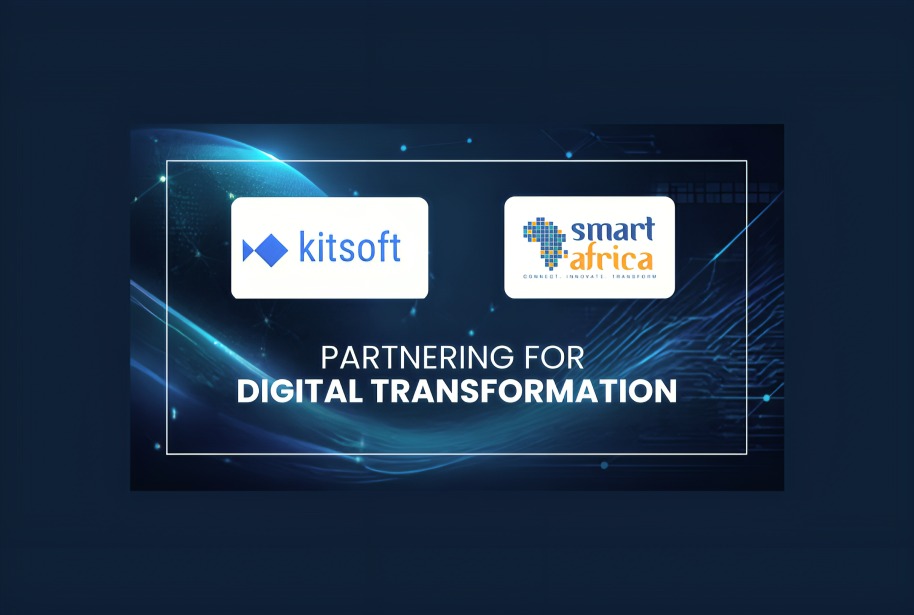


Smart Africa and Kitsoft have signed a Memorandum of Understanding (MoU) focused on supporting public sector digital transformation across Africa.
The partnership will concentrate on three key areas: Digital Public Infrastructure (DPI), e-governance and artificial intelligence. The organisations plan to exchange practical experience, organise joint expert and educational sessions, and explore cooperation on developing digital public services using low-code technologies.
Smart Africa brings together 42 African countries and provides a platform for governments, technology companies and international organisations to collaborate on digital transformation and the development of a single digital market.
Through the agreement, Kitsoft will share its experience in digital government and the development of public digital services, including its use of low-code technologies to help governments build and scale services more efficiently.
A key part of the cooperation will involve Liquio, Kitsoft’s low-code platform, which operates at national level in Ukraine. The platform has been used under challenging conditions, including large-scale cyberattacks, and is designed to support the rapid development and scaling of digital public services.
Kitsoft’s open-source Liquio Community Edition allows governments to deploy the platform on their own infrastructure, adapt it to local requirements and independently develop digital services.
The approach could support African countries seeking to strengthen domestic digital infrastructure while maintaining greater control over their public digital systems and data.
Kitsoft CEO Oleksandr Iefremov said the partnership would provide an opportunity to share Ukraine’s experience in digitalising public services and developing government technology capabilities under challenging conditions.
Smart Africa Director General and CEO Lacina Koné said the cooperation would focus on strengthening the ability of member states to build and scale trusted digital public services while supporting digital sovereignty.
The partnership comes as African governments continue investing in digital public infrastructure, e-governance and AI capabilities. Cooperation around practical technologies and capacity building could support countries as they develop digital services tailored to their own national requirements.