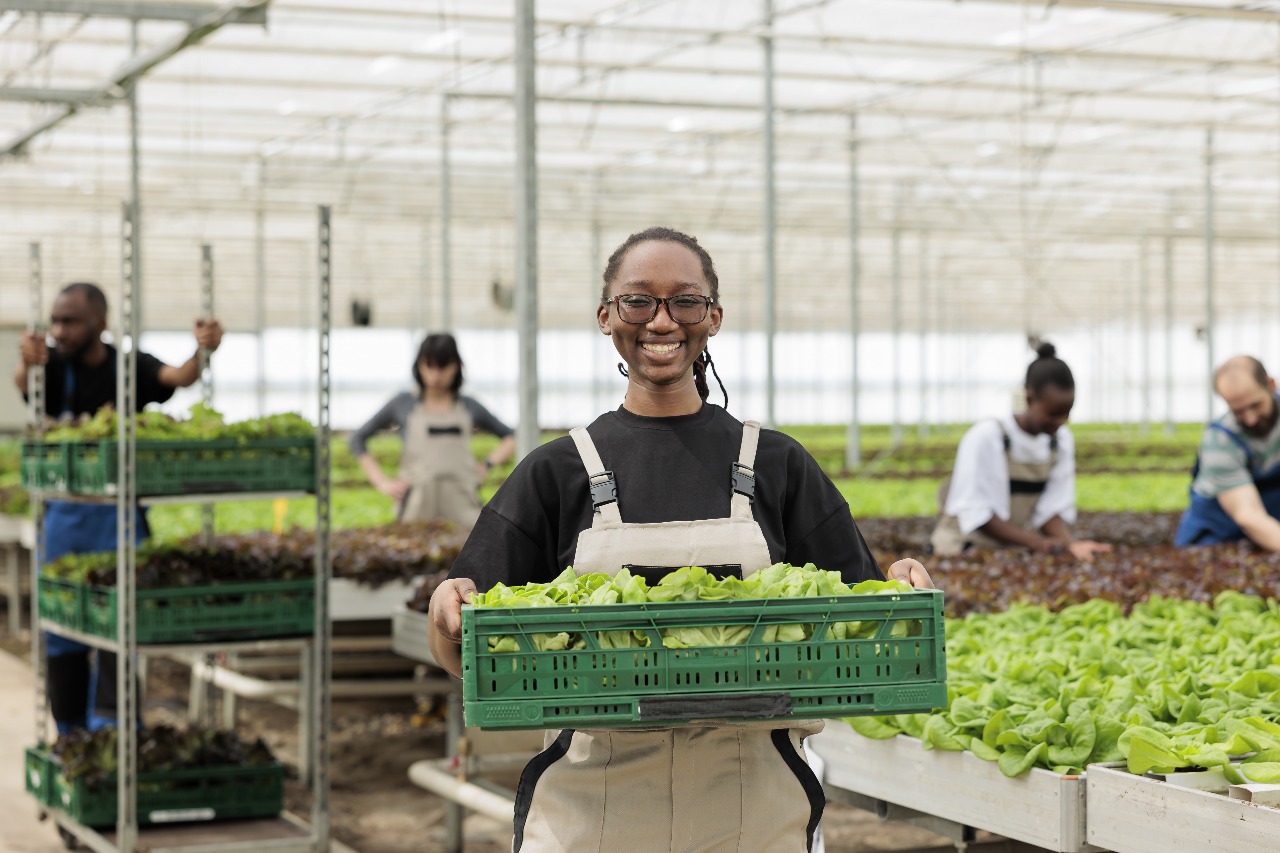


Amid Sudan’s ongoing conflict, Solar Foods is proving that innovation can thrive even in the most fragile environments. Founded by Alaa Salih Hamadto in Kassala, near Sudan’s eastern border with Eritrea, the startup uses solar energy to preserve food and support local farmers in one of Africa’s worst humanitarian crises. While many businesses have fled the war-torn country, Solar Foods has scaled its operations, empowering over 5,000 farmers and 40 cooperatives—many led by women displaced by the conflict—to process and export food for the first time.
The foundation of Solar Foods traces back to the 1980s, when Hamadto’s father, a scientist at the UK Atomic Energy Authority, built Sudan’s first solar dryers. Inspired by his work, Hamadto left her dentistry career to continue his vision, adapting his prototypes into a commercial model that harnesses Sudan’s abundant sunlight for sustainable food preservation. Through years of research and development, she transformed solar drying from a niche idea into a viable business that now provides income and food security to thousands across Sudan.
Solar Foods’ technology combines traditional solar heat with modern sensors and automated airflow systems to ensure efficiency and quality. Unlike freeze-drying or diesel-powered methods, solar drying is cost-effective, environmentally friendly, and accessible. The startup focuses on crops such as onions, garlic, okra, and tomatoes—staples that can withstand drying and remain in high demand. Even during floods and power shortages, Solar Foods continues production using mobile solar-powered units, allowing farmers to preserve harvests that would otherwise be lost.
Beyond its innovation in food preservation, Solar Foods has become a model of resilience and empowerment. Many of its cooperative leaders are women who have rebuilt livelihoods amid war. The company provides training in agribusiness management, food safety, and packaging, helping female-led cooperatives gain legal recognition and access to funding. Despite the destruction of its Khartoum office in 2023, the enterprise has continued to grow from Kassala, supported by partnerships with international NGOs and private buyers.
In recognition of its impact, Hamadto received the 2025 Bayer Foundation Women Empowerment Award, validating her commitment to sustainability and inclusion. With new funding, she plans to expand Solar Foods into a network of solar agro-processing hubs supporting 50,000 farmers and exporting solar-dried products to regional and global markets. Her vision is simple yet powerful: to transform Sudan’s sunlight into a tool for food security, economic empowerment, and lasting peace.