

Targeted digital policy reforms could connect an additional 1.13 million people to mobile internet in Madagascar and generate 4.1 trillion Malagasy ariary in additional gross domestic product by 2031, according to a new report from the GSMA. Unveiled at the GSMA Digital Africa Summit in Madagascar, the publication titled Madagascar Digital Economy: Policy reforms that will drive Madagascar digital future outlines key strategic interventions across four main pillars: smartphone affordability, rural network expansion, mobile sector tax reform and driving demand for digital services.
A second report presented at the summit, Spectrum Policy in Africa: Enabling investment and empowering consumers through effective spectrum pricing, highlights that continental spectrum pricing and licensing reforms could unlock more than 120 billion US dollars in additional gross domestic product between 2026 and 2035. Although total mobile connections in Madagascar grew from 12.3 million in 2021 to 22.5 million at the end of 2025, unique mobile internet penetration remained low at 14.3 per cent in 2025. In 2026, 66 per cent of the population lived within mobile broadband coverage areas but did not use mobile internet, hindered by device costs, digital literacy gaps, challenging terrain and elevated operational costs in rural regions.
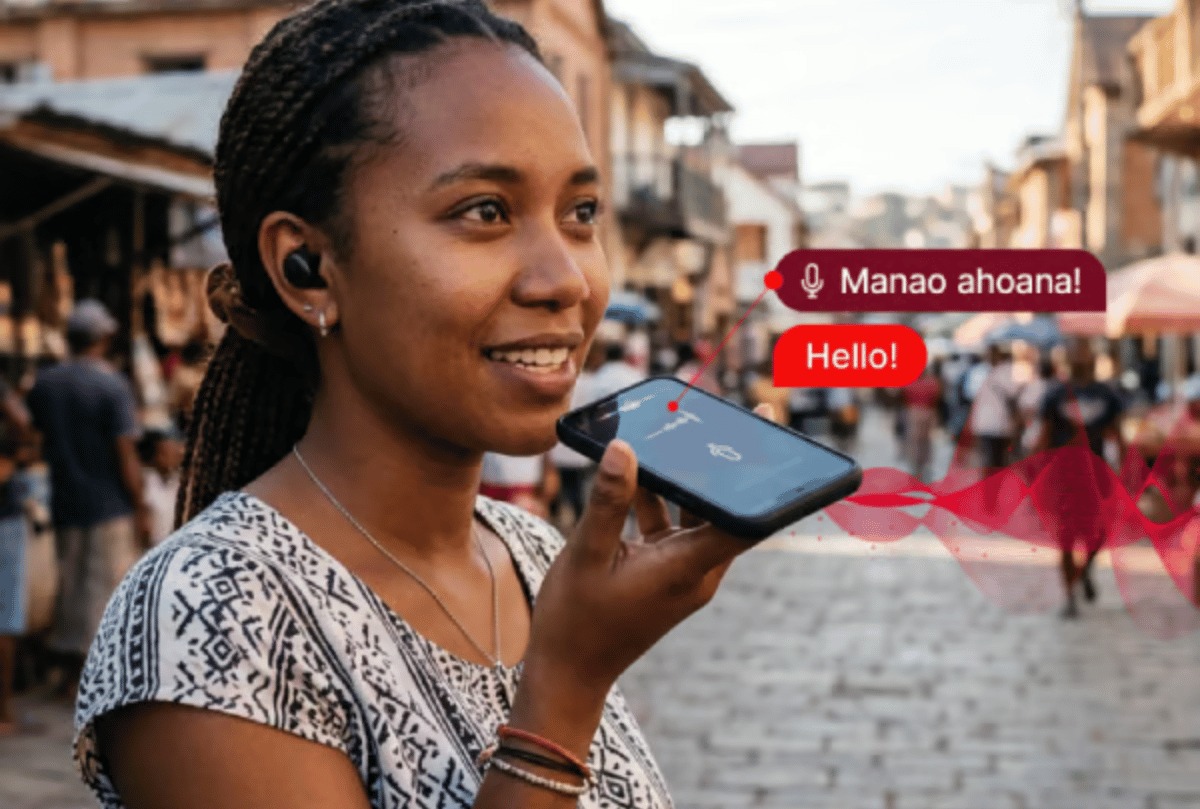
To address these barriers and support the national Digital Strategic Plan (PSN) 2023-2028, the report recommends removing the 6 per cent copyright fee, 20 per cent import duty and 1 per cent regulation levy on entry-level smartphones, implementing targeted value added tax exemptions, and reforming the FDTIC into a transparent funding mechanism. Angela Wamola, Head of Africa at GSMA, stated: “Madagascar expanding mobile networks provide a strong foundation for digital transformation. ATLAS Umoja AI supports conversational voice services that can help people with limited literacy benefit from connectivity. By making suitable public language datasets available and collaborating with mobile operators, governments, industry and researchers could support a pilot offering voice-based agricultural advice in Malagasy, aligned with Madagascar digital agriculture strategy. The mobile industry stands ready to work with government and partners to turn this potential into lasting progress.”
The continental spectrum analysis reveals that spectrum costs across Africa are on average 24 per cent higher than elsewhere relative to operator revenues. GSMA calls on regulators to adopt technology-neutral licences, extend licence durations to at least 20 years and establish predictable spectrum roadmaps. Implementing these spectrum recommendations across Africa by 2035 could extend 4G coverage to an additional 50 million people, bring 5G coverage to 170 million more users, and increase average mobile download speeds by at least 30 per cent.