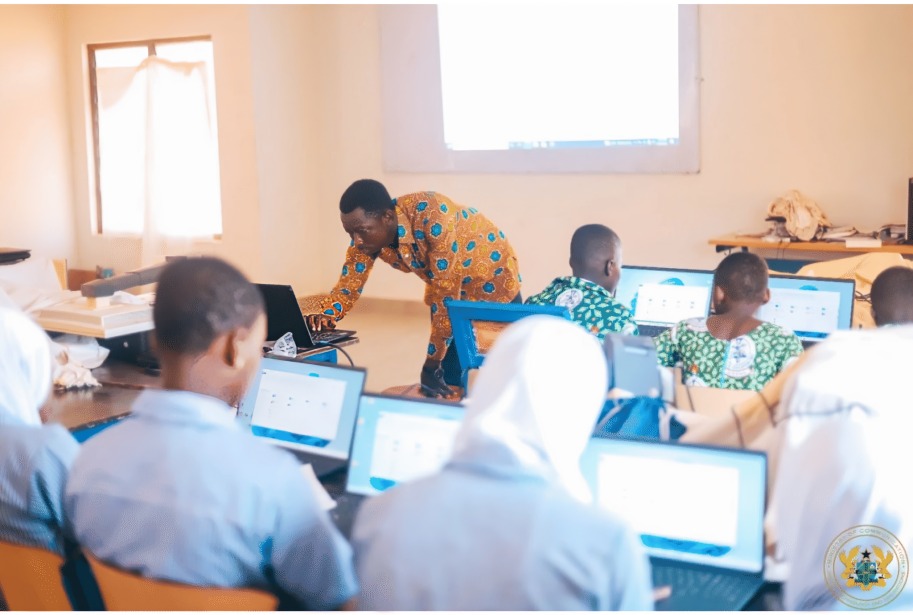


Ghana has launched the International Chamber of Commerce (ICC)-TikTok Digital Commerce Labs, an initiative aimed at equipping young entrepreneurs and small businesses with digital skills to expand their operations, reach wider markets and create employment opportunities.
The programme will provide practical training in digital marketing, brand development, content creation, business storytelling, social commerce, e-commerce strategies, financial literacy, digital payments and responsible online engagement.
The Deputy Minister for Communication, Digital Technology and Innovations, Mohammed Adams Sukparu, delivered the keynote address on behalf of the Sector Minister, Samuel Nartey George. He described the initiative as timely, highlighting the growing influence of digital technology on business operations, consumer behaviour and market access.
Sukparu noted that digital platforms have created opportunities for local entrepreneurs to showcase their products and services to wider audiences without necessarily investing in physical shops or traditional advertising.
He reaffirmed the government’s commitment to digitalisation as a driver of economic growth, innovation and inclusive development. He also encouraged young people to become creators, innovators, entrepreneurs and employers rather than remaining consumers of technology.
Addressing the commercial potential of content creation, the Deputy Minister urged participants to view digital creativity as a pathway to entrepreneurship and economic growth. He encouraged them to focus on creating value, building trusted brands and developing sustainable businesses rather than concentrating solely on online visibility and follower numbers.
Sukparu also called on the implementing partners to establish a framework for measuring the programme’s impact. The proposed framework should assess skills development and certification, business formalisation and sustainability, access to markets and finance, as well as monitoring and evaluation.
He further urged organisers to extend the programme beyond major urban centres and collaborate with relevant government institutions to complement existing national initiatives.
According to Sukparu, the programme’s success should be measured not only by the number of participants trained but also by the businesses established, jobs created, income opportunities generated and enterprises supported.